

Guide to Best Practices for Using Adjustable Desks
May 29, 2025 | by michaelthandiwe40@gmail.com
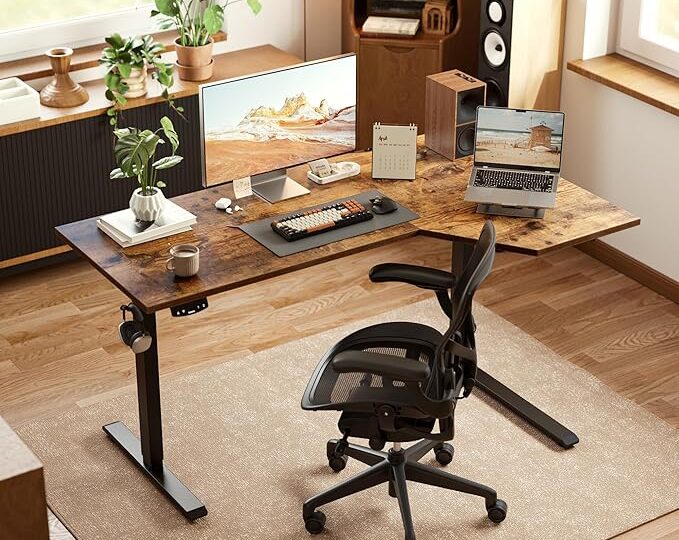
Guide to Best Practices for Using Adjustable Desks: Optimize Your Workspace for Health & Productivity
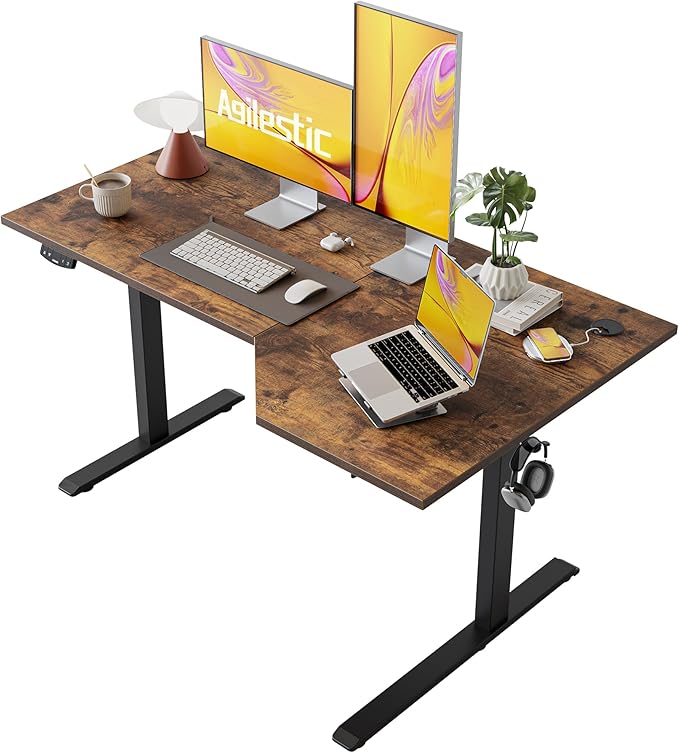
In today’s evolving work environment, embracing a dynamic workspace is essential. Our comprehensive guide on Best Practices for Using Adjustable Desks will show you how to boost your health, productivity, and overall comfort by alternating between sitting and standing. Whether you’re at home or in the office, learn expert tips, read model comparisons, and discover how to create the ideal ergonomic setup using the Best Practices for Using Adjustable Desks.
Table of Contents
- Introduction: Embracing the Best Practices for Using Adjustable Desks
- Health Benefits of Alternating Between Sitting and Standing
- Choosing the Ideal Adjustable Desk: Applying Best Practices
- Expert Tips for Effective Setup and Workflow Optimization
- Manual vs. Electric Adjustable Desks: A Comparison Using Best Practices
- Expert Recommendations: Top Adjustable Desks
- Conclusion: Transform Your Workspace by Embracing the Best Practices for Using Adjustable Desks
Introduction: Embracing the Best Practices for Using Adjustable Desks
The modern work environment is no longer confined to a static desk and chair. With the rise of ergonomic solutions, professionals are turning to adjustable desks to enhance comfort and productivity. This blog covers the Best Practices for Using Adjustable Desks, explaining how alternating between sitting and standing can improve your health, increase your energy, and optimize your workflow. By implementing these best practices, you can create a workspace that supports long-term well-being and efficiency.
Health Benefits of Alternating Between Sitting and Standing
Adopting the Best Practices for Using Adjustable Desks comes with significant health advantages:
- Improved Posture and Reduced Back Pain:
Long periods of sitting can lead to slouching and back discomfort. Alternating positions helps align your spine and reduce chronic pain. - Enhanced Circulation and Lowered Cardiovascular Risks:
Standing periodically boosts blood flow, reducing the risks associated with prolonged sitting like heart disease and metabolic issues. - Increased Energy and Better Focus:
Changing positions can revitalize your energy levels, sharpening your focus and increasing overall productivity. - Calorie Burning and Weight Management:
Standing burns more calories than sitting, aiding in weight control while maintaining a healthy routine. - Reduced Musculoskeletal Strain:
Regular movement minimizes the strain on your neck, shoulders, and wrists, fostering long-term physical well-being.
These health benefits underscore why the Best Practices for Using Adjustable Desks should be part of your daily routine.
Choosing the Ideal Adjustable Desk: Applying Best Practices
When selecting an adjustable desk, consider the following factors to adhere to the Best Practices for Using Adjustable Desks:
- Workspace Size and Functionality:
Ensure the desk provides enough space for all your devices, paperwork, and ergonomic accessories. An adequate work surface is crucial for maintaining both functionality and comfort. - Height Adjustability Range:
Look for a desk that adjusts within a range (typically between 25 to 50 inches) to support both sitting and standing positions comfortably. - Sturdiness and Weight Capacity:
A solid, stable desk that can support multiple monitors, laptops, and other equipment is essential for long-term durability. - Adjustment Mechanism:
Decide between manual or electric models—each has its pros and cons. Electric desks offer rapid, smooth adjustments, while manual desks tend to be more cost-effective. - Additional Features:
Consider built-in features like memory presets, cable management, and integrated storage. These enhancements can further streamline your workspace as part of the Best Practices for Using Adjustable Desks.
Expert Tips for Effective Setup and Workflow Optimization
Optimizing your workspace according to the Best Practices for Using Adjustable Desks can transform your daily workflow:
- Set Up for Ergonomics:
Adjust your desk height so your monitor is at eye level and your elbows maintain a 90-degree angle when typing. This reduces neck strain and wrist fatigue. - Alternate Regularly:
Schedule reminders to switch between sitting and standing every 30 to 45 minutes. Over time, your body will adjust to this healthier rhythm. - Enhance Your Environment:
Use ergonomic chairs, anti-fatigue mats, and accessories like wrist rests to further boost your comfort during both seated and standing tasks. - Organize Smartly:
Keep essential tools within arm’s reach. A well-organized workspace minimizes distractions and enhances productivity. - Custom Sound and Lighting:
Integrate lighting and low-intensity background music to maintain energy levels, helping you adhere to the Best Practices for Using Adjustable Desks while working.
Implementing these expert tips will help you create a harmonious workspace that combines ergonomic comfort with highly effective workflow management.
Manual vs. Electric Adjustable Desks: A Comparison Using Best Practices
When following the Best Practices for Using Adjustable Desks, it’s important to decide between manual and electric models based on your needs:
| Feature | Manual Adjustable Desk | Electric Adjustable Desk |
|---|---|---|
| Adjustment Method | Hand crank mechanism | Motorized push-button adjustments |
| Speed of Adjustment | Slower, more deliberate changes | Quick and smooth height transitions |
| Cost | Typically more affordable | Higher initial investment for added convenience |
| Noise Level | Virtually silent | May produce low-level operational noise |
| Maintenance | Minimal, with fewer moving parts | May require occasional motor maintenance |
Choose the option that best fits your work habits, keeping the Best Practices for Using Adjustable Desks in mind to maximize both efficiency and comfort.
Expert Recommendations: Top Adjustable Desks
Based on thorough research and user feedback, here are our top picks adhering to the Best Practices for Using Adjustable Desks:
1. Uplift V2 Standing Desk
A premium electric desk with memory presets and exceptional stability, perfect for a versatile work environment.
Buy here (shop now)
2. FlexiSpot E7 Adjustable Desk
This desk offers smooth, motorized adjustments, anti-collision technology, and robust construction to support varied setups.
Buy here (shop now)
3. Fezibo Manual Standing Desk
A budget-friendly manual option that doesn’t compromise on quality or stability—ideal for those following the Best Practices for Using Adjustable Desks on a budget.
Buy here (shop now)
Conclusion: Transform Your Workspace by Embracing the Best Practices for Using Adjustable Desks
Adjustable desks are a game-changer, offering a seamless way to integrate movement into your daily work routine. By following the Best Practices for Using Adjustable Desks, you can enjoy improved posture, enhanced energy, and a significant boost to productivity. Whether you opt for a manual or an electric model, the key is to consistently alternate between sitting and standing while optimizing your workspace environment.
Investing in an adjustable desk is an investment in your health, efficiency, and overall well-being. Embrace these best practices, customize your ergonomic setup, and transform your workspace into a dynamic environment that fuels both creativity and performance.
Your journey to a healthier, more productive workday starts now—unlock the potential of the Best Practices for Using Adjustable Desks and feel the difference! 🚀
RELATED POSTS
View all

How to Use the Hyper-Fan Ultra for Year-Round Comfort
June 4, 2025 | by michaelthandiwe40@gmail.com

How to Choose the Best Gaming Keyboards and Mouse
May 24, 2025 | by michaelthandiwe40@gmail.com
How to Choose the Right Ergonomic Chair for You.
May 29, 2025 | by michaelthandiwe40@gmail.com